Recent searchs
01 April 2026
Protection of endangered birds brings together the Casa de Bragança Foundation and REN
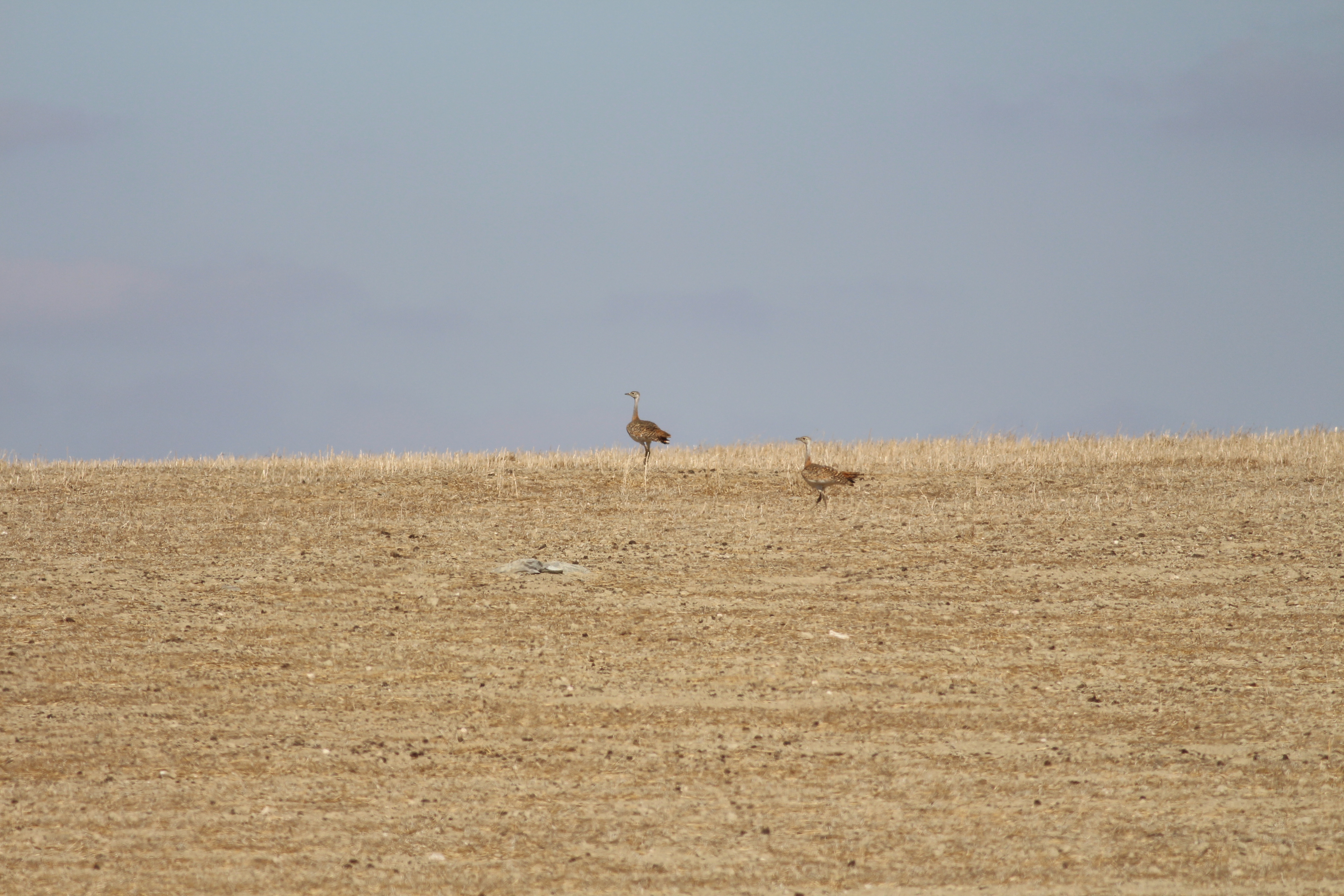
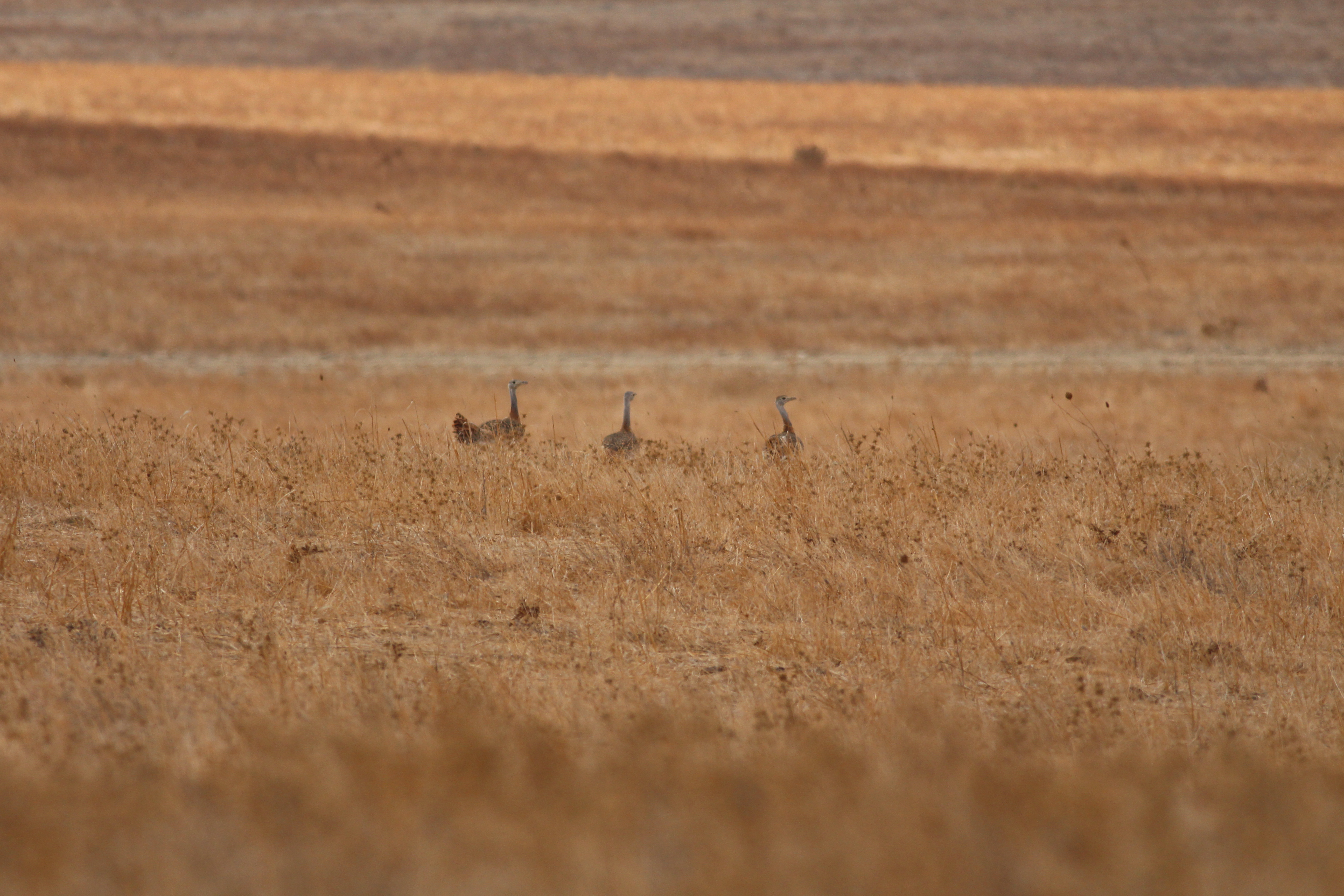
The Casa de Bragança Foundation (FCB) and REN – Redes Energéticas Nacionais have joined forces to protect two of Portugal’s most endangered steppe birds: the little bustard and the great bustard.
The project focuses on a 100-hectare area of fallow land and pasture owned by the FCB in the municipality of Elvas, which will be improved to create a favourable habitat for the reproduction of these species.
The measures to be taken focus primarily on the management and improvement of the pastures, so as to ensure, during the breeding season, that vegetation is maintained at a suitable height for these species and to prevent disturbance. To this end, a fence (and the creation of a firebreak) has been installed around the plot to prevent the presence of livestock between 15 March and 30 June, a period during which other agricultural activities are also prohibited.
This initiative is supported by scientific monitoring from BIOPOLIS-CIBIO, Portugal’s largest research centre dedicated to Biodiversity and Genetic Resources, which developed the action plan and will monitor the implementation and evaluate the effectiveness of the measures taken. In 2029, the project will be reviewed and a decision made on the next steps.
“The estates of the Casa de Bragança Foundation have long been a benchmark in birdlife conservation,” says Hugo Carvalho of the FCB. “Through this project, we will be able to combine the protection of biodiversity with the preservation of the Alentejo’s natural and agricultural heritage,” explains the FCB representative.
“For many years, REN has been committed to the protection, monitoring and restoration of biodiversity, integrating these criteria into its core management strategy,” says Mónica Conceição, Director of Operations at REN. “Indeed, the protection of biodiversity, as well as the involvement of local communities, are pillars of REN’s sustainability strategy,” she adds.
The initiative forms part of the development of the Estremoz–Alandroal line, which is crucial for increasing energy transmission capacity and ensuring grid stability in the Alentejo, and reflects the commitment of the organisations involved to protecting biodiversity and enhancing the region.
 REN - Protection of endangered birds brings together the Casa de Bragança Foundation and REN


