Recent searchs
01 April 2026
Archaeological excavations in Friastelas have uncovered ancient burial structures
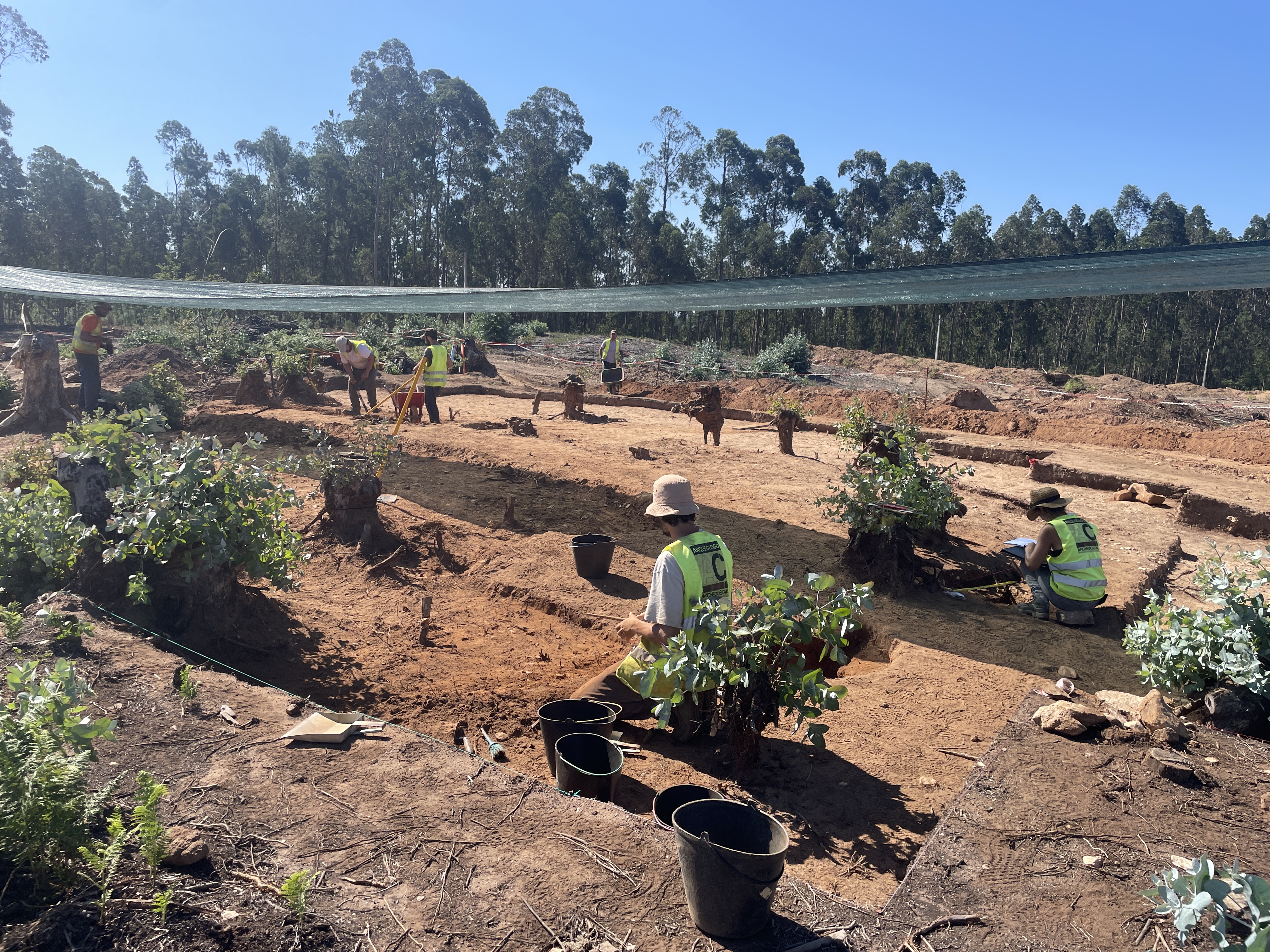
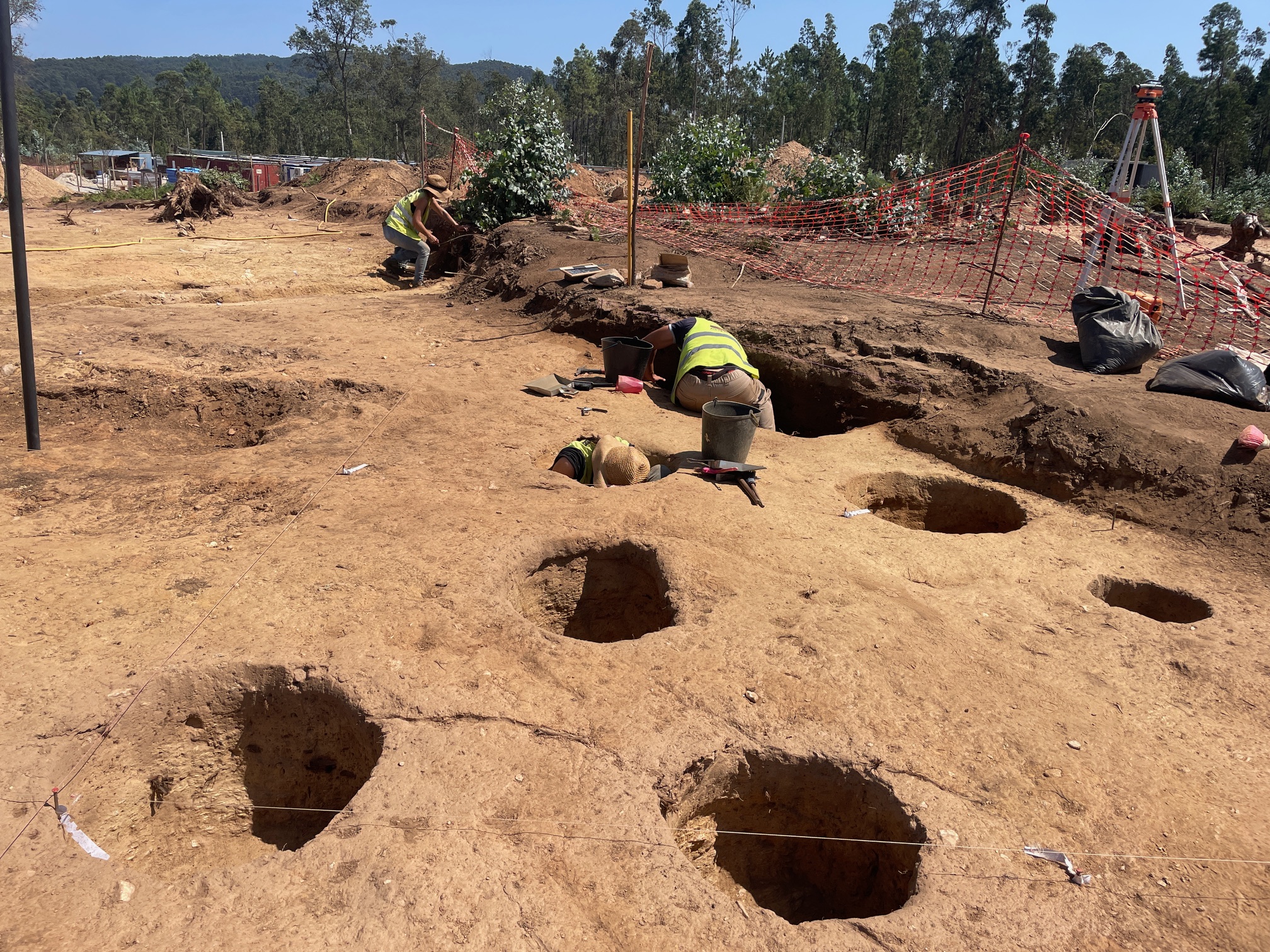
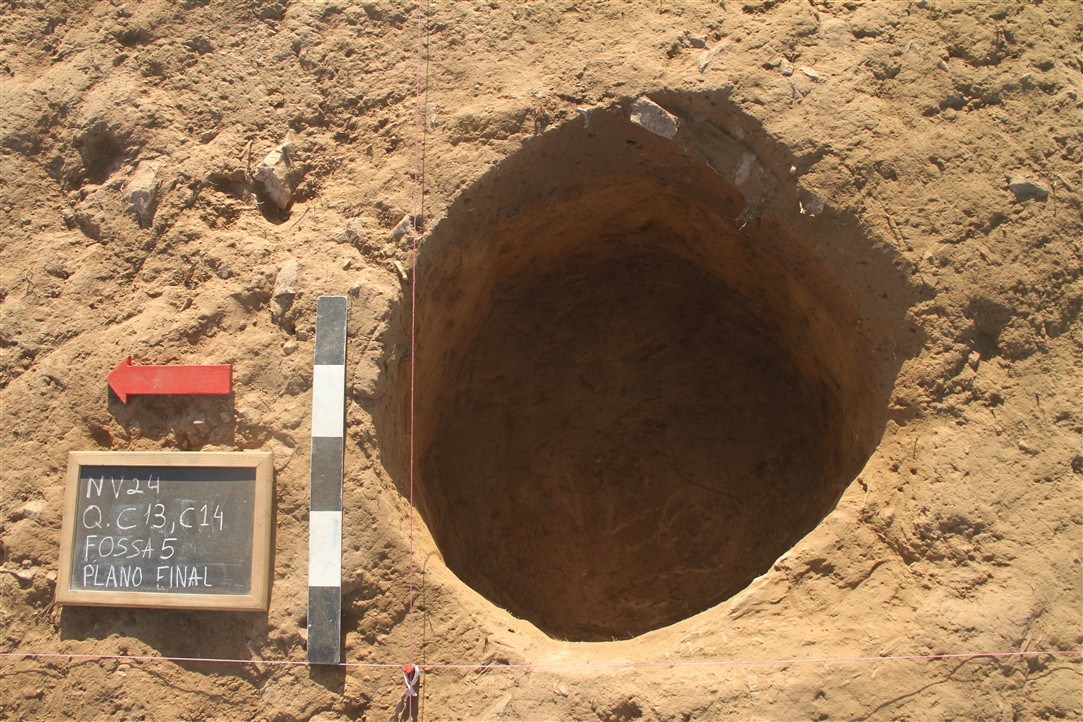
As part of the construction work on the Ponte de Lima substation, an archaeological investigation was carried out, enabling the identification and study of a number of archaeological structures dating back to prehistoric times.
Before construction work began, four tumuli ("mamoas" in Portuguese) were already known to exist in the area, but the excavations provided a better understanding of the archaeological significance of the site and revealed further evidence of human occupation.
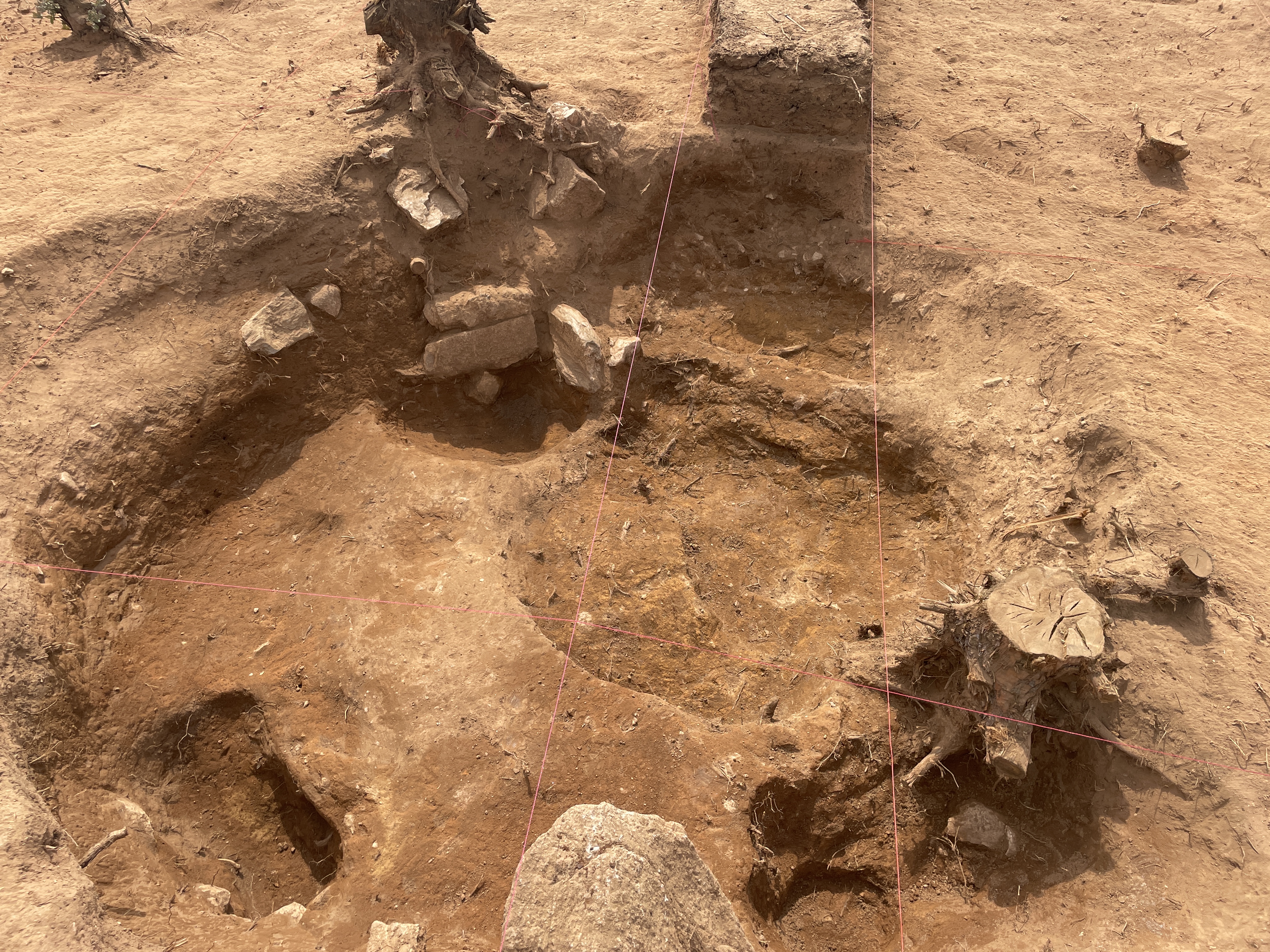
The work carried out in 2024, in partnership with Archeocascais, covered an area of approximately 5,000 square metres and revealed what the earth had protected over the past millennia. The funerary structures, the various archaeological materials—including fragments of ceramic vessels and stone artefacts—and the remains of clay used to coat the floors or walls of huts indicate that the site boasts a wide variety of structures and a complex sequence of human occupation. The identified remains point to a chronology that may span periods of the Bronze Age, between the 3rd millennium BC and the mid-1st millennium BC.
The "mamoas" are prehistoric funerary monuments consisting of small artificial mounds of earth and stone covering burial structures, frequently associated with the megalithic phenomenon of the Iberian Peninsula. These burial mounds, built several thousand years ago, generally served as sites for collective burial and are considered important evidence of the funerary practices and social organisation of prehistoric communities.
They are found mainly in northern Portugal and the north-west of the Iberian Peninsula and are usually associated with dolmens or megalithic burial chambers.
All the artefacts collected were duly catalogued and handed over to the Museu Regional D. Diogo de Sousa in Braga, enabling the study and preservation of this heritage.
These types of archaeological interventions carried out as part of major infrastructure projects make it possible not only to safeguard cultural heritage, but also to deepen scientific knowledge about the history of the regions where these projects are being developed.
In the case of Friastelas, the work associated with the construction of the Ponte de Lima substation has revealed new data on human occupation of this territory over millennia, reinforcing the importance of Ponte de Lima within the archaeological context of the north-west of the Iberian Peninsula.
By promoting and supporting this type of research, REN contributes to the preservation and enhancement of historical and cultural heritage, ensuring that the development of energy infrastructure is accompanied by a constant focus on the protection and understanding of the territory.
 REN - Archaeological excavations in Friastelas have uncovered ancient burial structures


