Recent searchs
02 July 2026
Portugal and Spain have inaugurated the new 400 kV electricity interconnector in the north, a strategic project for the European Union
The interconnector increases the power-exchange capacity between Portugal and Spain by around 1,000 MW, making the Iberian electricity system more robust and efficient, and promoting the green transition on both sides of the border.
On the Portuguese side, the investment was channelled into the construction of the new 68 km power line and the Ponte de Lima substation, which has been in operation since 5 December. On the Spanish side, the interconnector led to the development of the Beariz substation, the Beariz–Fontefría power line, the Fontefría substation and the Fontefría–Frontera power line.
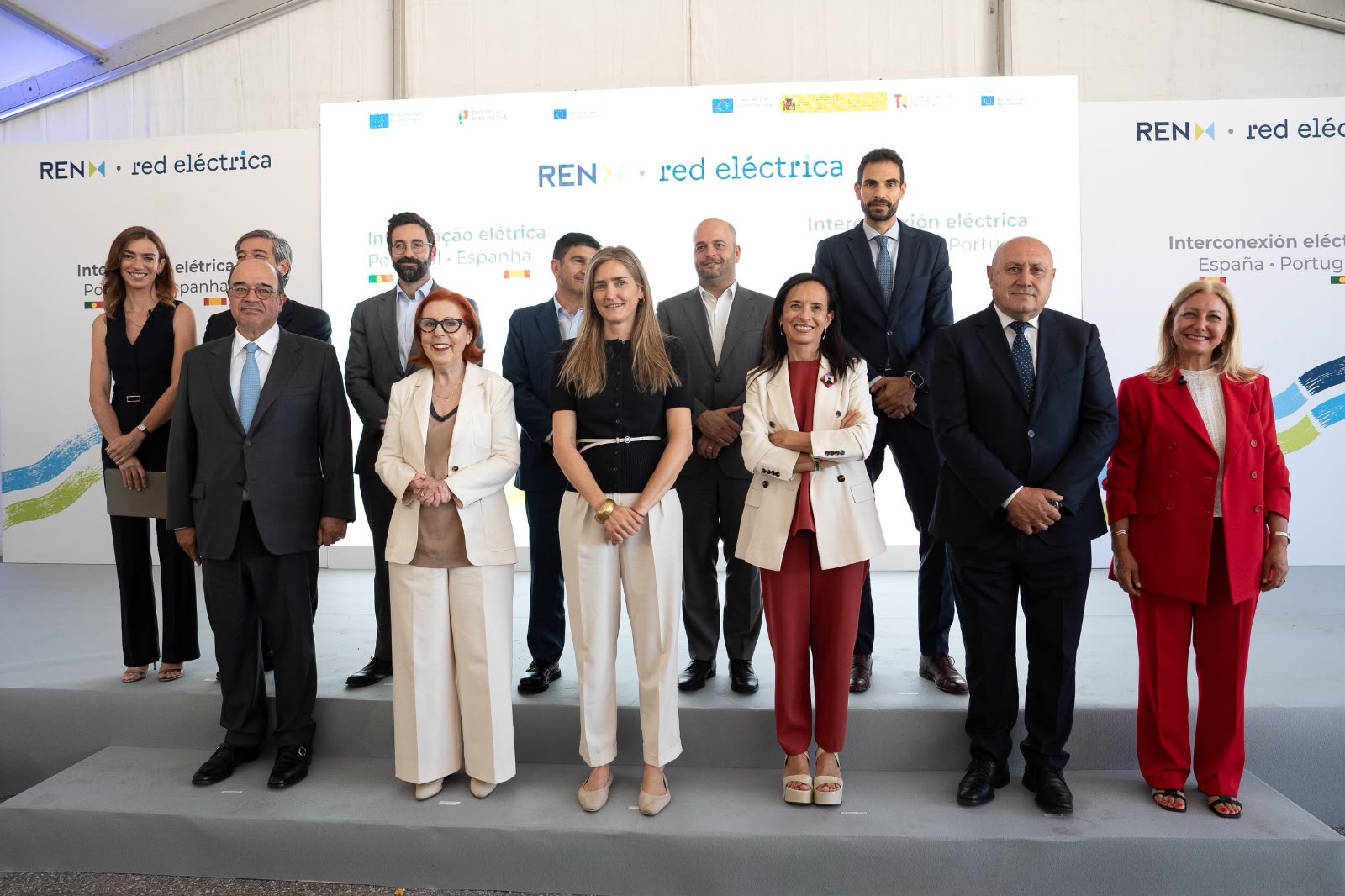
Portugal and Spain have inaugurated the new 400 kV electricity interconnector between Viana do Castelo and Pontevedra, a piece of infrastructure that strengthens the Iberian electricity system and contributes to greater integration of the Iberian Electricity Market. The project, carried out by Rede Elétrica Nacional, S.A. (REN) in Portugal and by Red Eléctrica in Spain, is strategic for the European Union’s objectives of advancing the green transition, achieving energy self-sufficiency and creating a more consolidated Internal Energy Market.
The new interconnector, which is included in the current planning frameworks in Portugal and Spain and has been classified as a Project of Common Interest by the European Commission, increases the exchange capacity between the two countries by around 1,000 MW, bringing the total to 4,200 MW (from Spain to Portugal) and 3,500 MW (from Portugal to Spain). The interconnector represents a significant strengthening of both systems, whilst also boosting efficiency and the green transition, enabling the integration of 281 GWh of renewable energy per year, with a consequent reduction in CO₂ emissions of 113,000 tonnes per year.
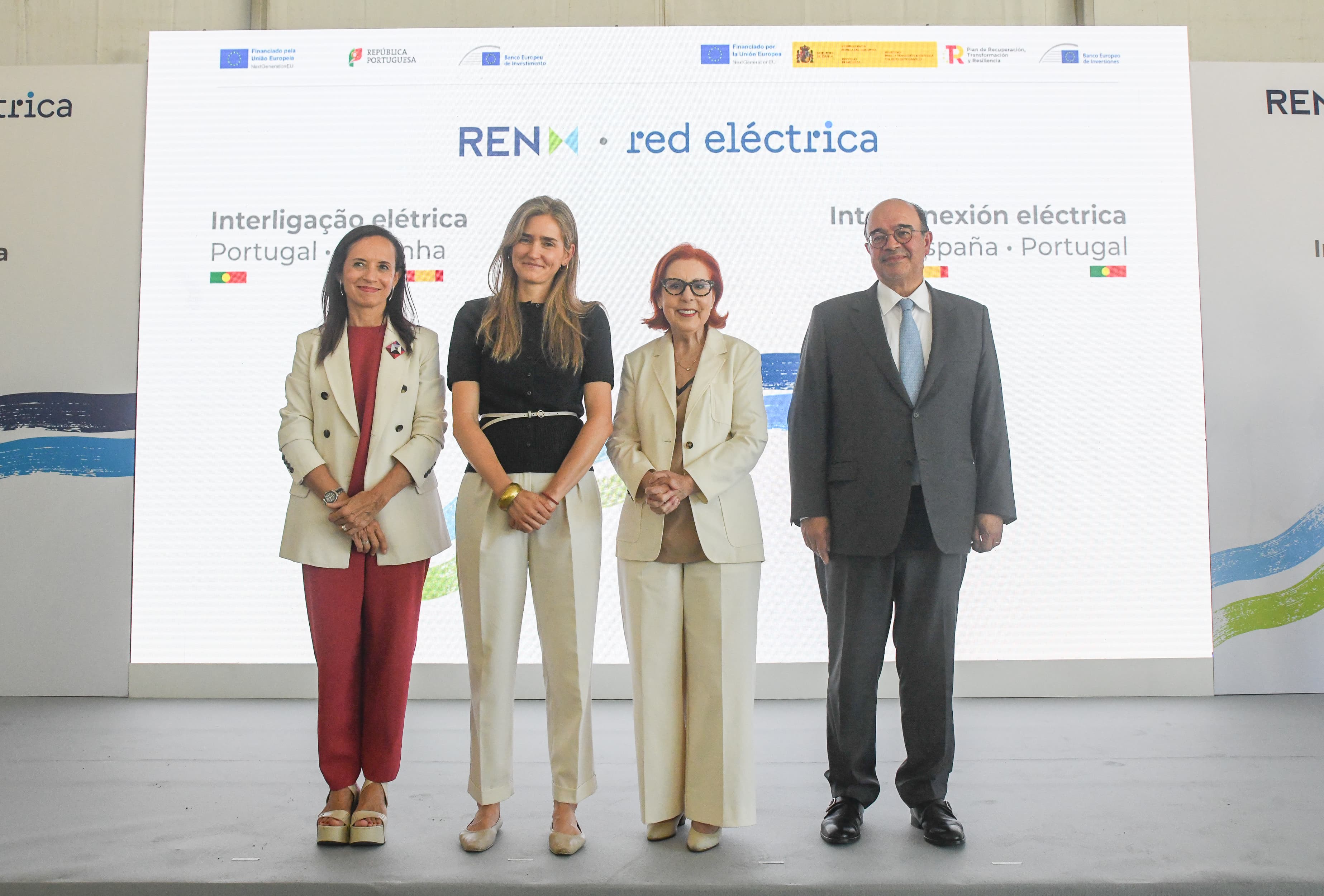
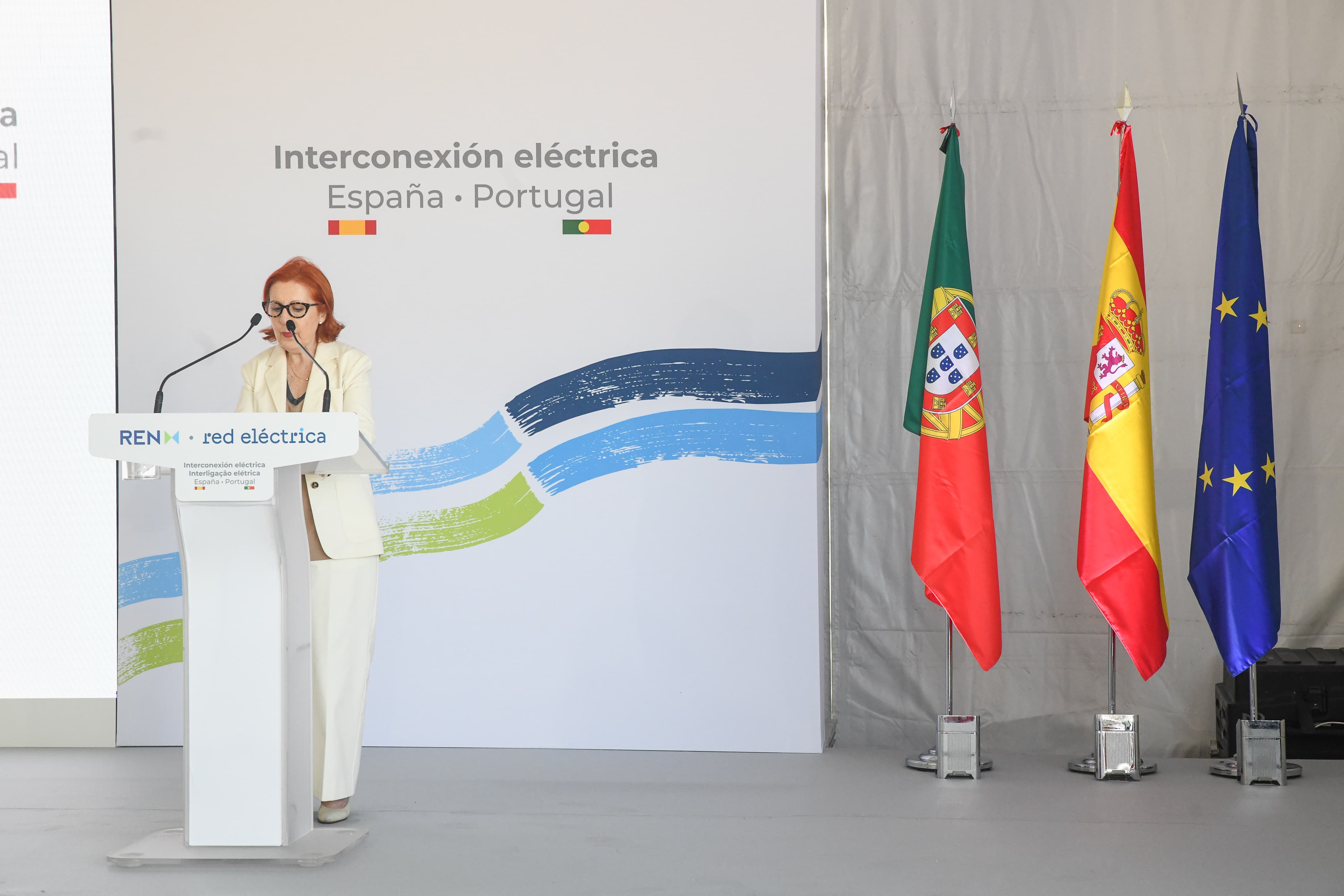
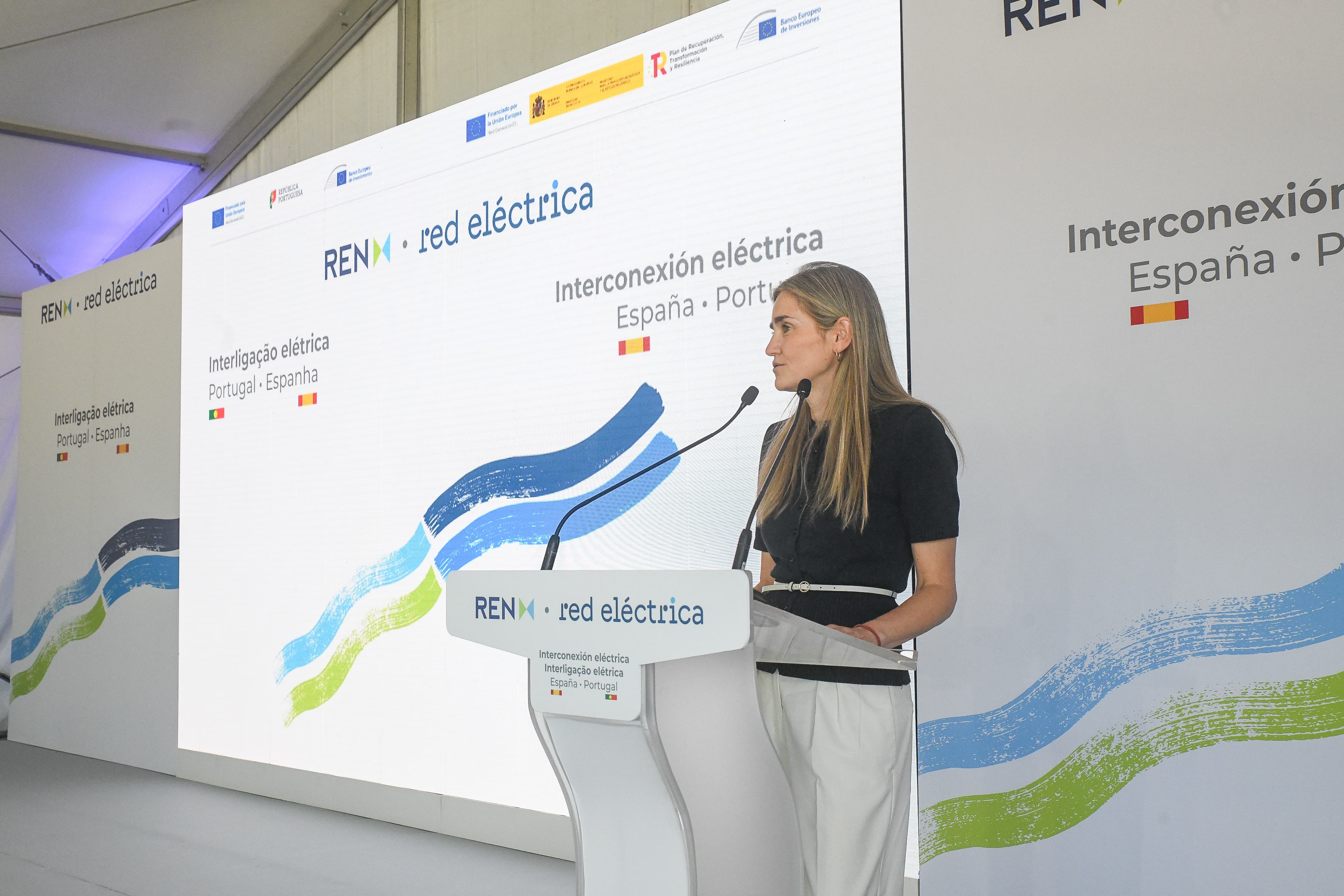
The inauguration took place in the municipality of Arbo (Pontevedra), near the border with Portugal, at a ceremony attended by the Portuguese Minister for the Environment and Energy, Maria da Graça Carvalho; the Vice-President and Minister for the Ecological Transition and Demographic Challenge of the Spanish Government, Sara Aagesen; Rodrigo Costa, Chairman of REN; and Beatriz Corredor, Chair of Redeia, the parent company of Red Eléctrica.
Portugal’s Minister for the Environment and Energy, Maria da Graça Carvalho, emphasised that “this new interconnector represents another decisive step towards strengthening the energy security of Portugal and Spain and deepening the integration of the Internal Energy Market. Interconnectors make electricity systems more resilient, enable greater integration of renewable energy and result in tangible benefits for consumers and for the competitiveness of the economy. This project reinforces the joint position that both countries have been advocating within the European Union: the need to continue investing in interconnectors, particularly with France”.
The Vice-President and Minister for Ecological Transition and Demographic Challenge of the Spanish Government, Sara Aagesen, emphasised that “this infrastructure enables us to make progress in the integration of electricity systems and translates into security of supply, competitiveness and sustainability. It is an opportunity for our regions and a symbol of how we view the border between Spain and Portugal: a shared space for cooperation, work and opportunity”.
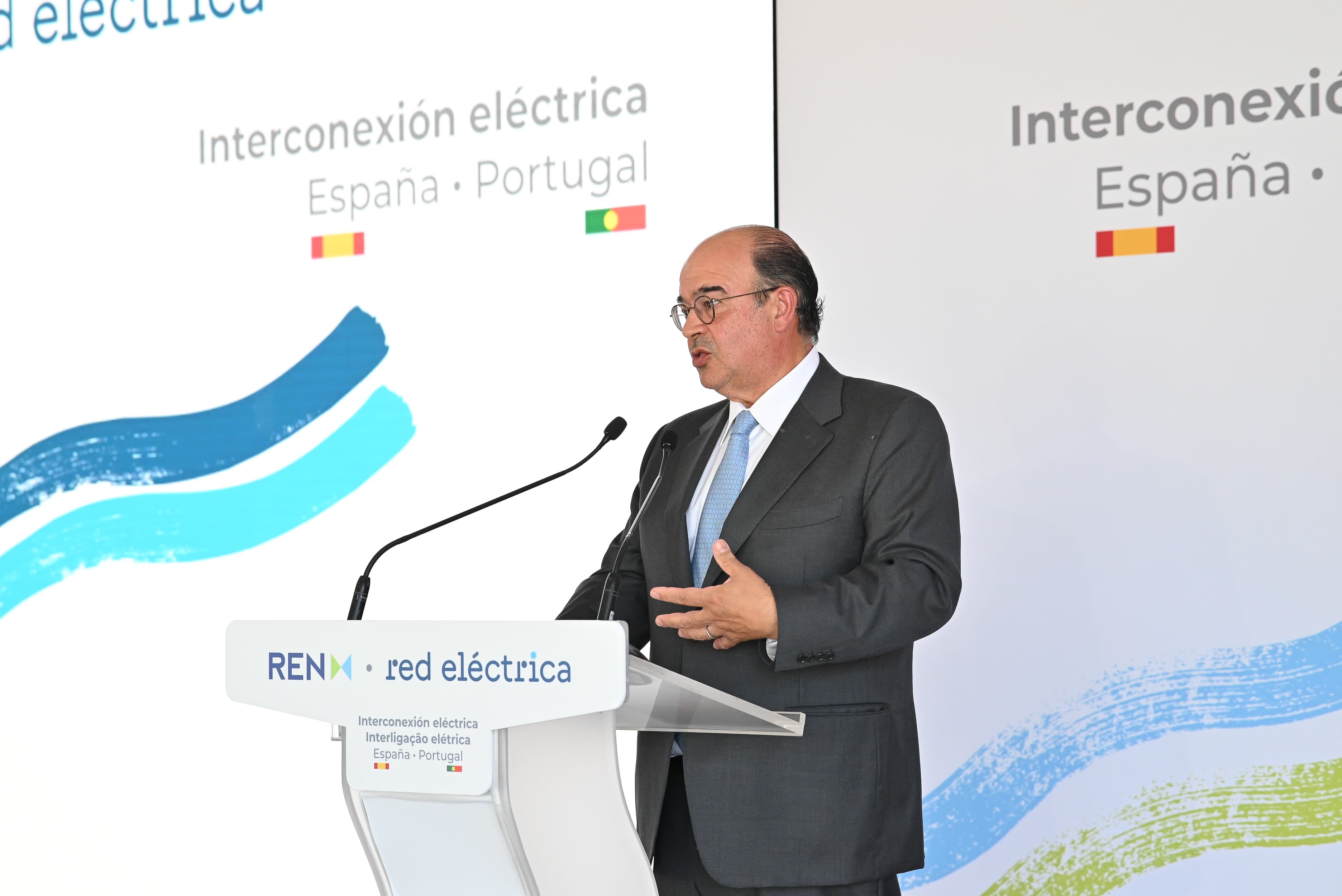
“This new interconnector is extremely important for the Iberian Peninsula, as it has a very positive economic impact on both countries. Both markets stand to benefit from yet another interconnector – bringing the total to 10 – thereby fulfilling the objectives that had been set. The very high-voltage electricity interconnectors between Portugal and Spain contribute to greater security for both systems and to the energy transition we aim to achieve in both countries,” said Rodrigo Costa during the ceremony.
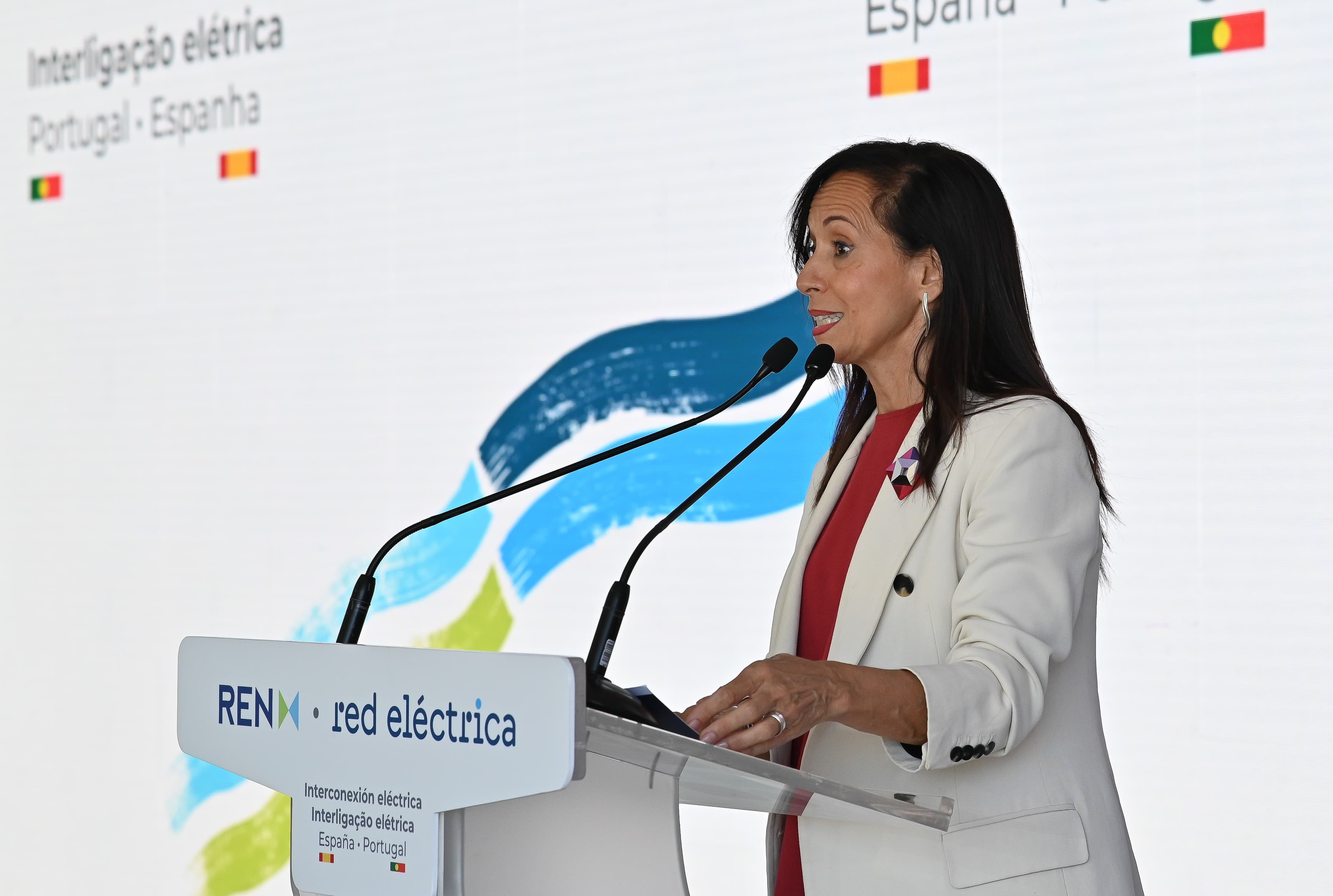
For the president of Redeia, Beatriz Corredor, “this interconnection is a clear example of what we are capable of achieving when we combine technical cooperation and institutional collaboration at all levels: from the European impetus to joint work between governments, regional and local authorities and, above all, close dialogue with the local communities. It was a project built on listening, municipality by municipality, mountain range by mountain range and, quite literally, house by house.”
The project in detail
A nova interligação entre Portugal e Espanha, pelo norte, liga os sistemas elétricos dos dois países através do distrito de Viana do Castelo, em Portugal e das províncias de Ourense e Pontevedra, em Espanha.
O troço português, com uma extensão aproximada de 68 km, prolonga-se desde o ponto de passagem da fronteira até à nova subestação de Ponte de Lima, a 400/150 kV. Por seu lado, em Espanha, o projeto contemplou a construção das subestações de Beariz 400 kV e Fontefría 400/220 kV, além de duas novas linhas a 400 kV: uma ligação entre as duas subestações, com 30 km de comprimento, e a linha de interligação entre Fontefría e a fronteira com Portugal, com 21,7 km.
O ponto de atravessamento transfronteiriço foi escolhido de forma coordenada entre a REN e a Red Eléctrica, com base nos mais rigorosos critérios de sustentabilidade, ambientais, sociais e de viabilidade técnica, garantindo simultaneamente o cumprimento da legislação de ambos os países. Desta forma, foi estabelecido o ponto de ligação entre os municípios de Melgaço (Viana do Castelo) e Arbo (Pontevedra), optando-se pelo cruzamento mais estreito e com menor impacto sobre o rio Minho e meio envolvente.
Além disso, para o desenho do traçado, foram realizados estudos detalhados e trabalhos de campo com o objetivo de minimizar o impacto no território e assegurar a máxima proteção do património histórico e natural, como a Serra do Cando, a Serra do Candán, a Serra do Suído, a Serra da Pena Corneira, o rio Tea, o Parque Nacional da Peneda-Gerês, a Paisagem Cultural de Sistelo e as áreas protegidas dos rios Minho e Lima, conforme corroborado pelas autoridades ambientais de Portugal e Espanha. Foram igualmente escolhidos os corredores que apresentavam maior distância relativamente às habitações existentes, em cumprimento das distâncias de segurança previstas na legislação.
Do lado português, o investimento ascendeu a mais de 70 milhões de euros, dos quais 44 milhões de euros corresponderam à construção da nova linha, com uma extensão de 68 km, e 26 milhões de euros na construção da subestação de Ponte de Lima, em serviço desde 5 de dezembro. A Red Eléctrica, com o apoio financeiro do Banco Europeu de Investimento, realizou um investimento de 57,6 milhões de euros para a construção da linha e das subestações no lado espanhol da interligação, um valor que ultrapassa os 70 milhões de euros se forem consideradas as infraestruturas de apoio do projeto. Esta interligação está igualmente incluída na lista de projetos elegíveis para financiamento da União Europeia ao abrigo do Next Generation – Plano de Recuperação, Transformação e Resiliência.

Commitment to the region
The interconnector is a project integrated into the local area, designed by selecting the most favourable option from a social, environmental and technical perspective, following a process of analysis and consultation with the local community and the various authorities, with the aim of reaching a consensus-based solution.
During the development of the infrastructure for this interconnector, REN and Red Eléctrica facilitated a process of listening and dialogue with residents, associations and local authorities, working alongside the local councils to promote various initiatives aimed at generating a positive and lasting impact on the region.
As part of Redeia’s Comprehensive Impact Strategy, this commitment led to the signing of collaboration agreements with nine local authorities, through which the company undertook to invest around 1.4 M euros in various initiatives tailored to the needs of each municipality, in areas such as energy efficiency, through the replacement of street lighting with energy-efficient luminaires; the improvement of sports facilities; the paving of footpaths; the protection of archaeological heritage; the refurbishment of social housing in accordance with energy efficiency criteria; and training in digital skills.
In Portugal, the project is also part of an approach focused on local engagement and creating value for the regions it serves. In this context, Decree-Law No. 18/2024 has strengthened the compensation and local development mechanisms associated with the National Transport Network’s infrastructure, with funding of around 2.5 million euros, enabling local authorities to benefit from support aimed at implementing projects of public interest that have a positive impact on communities.
This scheme provides an opportunity to promote investments aligned with local priorities, particularly in the areas of environmental sustainability, energy efficiency, heritage enhancement, territorial cohesion, the improvement of public services and the quality of life of local communities, ensuring that the benefits generated by energy infrastructure also contribute to the development of the regions in which they are located.
A robust, interconnected network for the Minho and Galicia
All these infrastructure projects expand the transport network in Minho and Galicia, improving supply to local communities and businesses and driving economic and industrial growth in these regions. Furthermore, they enable the integration of new renewable energy projects into a region with abundant energy resources, positioning it as a leader in the energy transition.
Furthermore, another benefit for Galicia is that this connection will, in future, serve as one of the feed-in points for the traction substations along the Vigo–Ourense–Lugo–A Coruña railway line.

 REN - Portugal and Spain have inaugurated the new 400 kV electricity interconnector in the north, a strategic project for the European Union


0:00
/
0:00